
In the early days of a business, “gut feeling” is often your most used marketing tool. You post on Instagram because it feels like everyone is there; you run a Google Ad because it seems like the thing to do. But as you grow, “vibes” aren’t a sustainable way to manage a budget.
At Roots To Branches Agency, we see it all the time: small to medium-sized businesses (SMBs) working incredibly hard but flying blind. They know they’re spending money, but they aren’t sure which pound is actually bringing in the pennies.
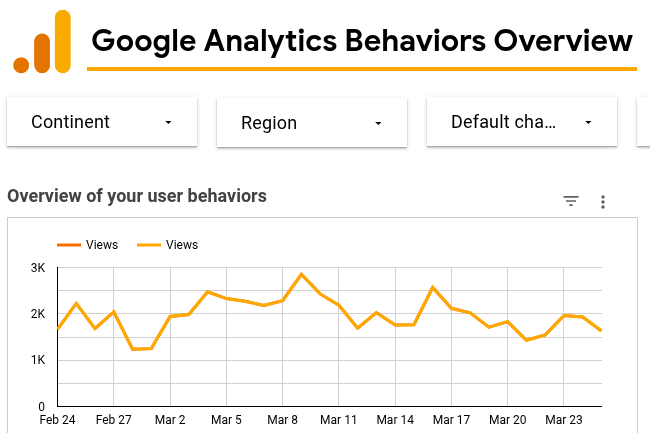
The solution isn’t a 50-page technical report. It’s a simple, clear website dashboard. Here is why having a single source of truth is the most important move you can make for your marketing budget this year.
From Data Noise to Actionable Insights
If you’ve ever logged into Google Analytics 4 (GA4), you know it can feel like stepping onto the flight deck of a 747. There are thousands of metrics, but for a business owner, only about five of them actually matter.
A dashboard acts as a filter. It strips away the noise and highlights the ‘core’ metrics that actually impact your bottom line:
- Where are people coming from? (Organic search, Social, Paid Ads?)
- What are they doing? (Are they actually clicking ‘Contact Us’ or just reading a blog and leaving?)
- How much does it cost to get them? (Your Cost Per Acquisition).
Knowing When to Double Down (and When to Cut)
Without a dashboard, marketing spend is often based on habit rather than health.
Imagine you’re spending £500 a month on Facebook Ads and £500 on SEO. A clear dashboard might show you that while Facebook brings more traffic, your SEO leads are 4x more likely to actually buy from you.
The Dashboard Decision: You don’t need a bigger budget; you just need to move that £500 from Facebook to your SEO efforts.
By seeing these metrics side-by-side in real-time, you can pivot instantly rather than waiting until the end of the quarter to realise a campaign failed.
It’s About Confidence, Not Just Charts
The biggest benefit of a simple dashboard isn’t the data itself—it’s the confidence it gives you. When you see a green “up” arrow next to your conversion rate, you know your strategy is working. When you see a dip, you don’t panic; you look at the data, find the leak, and fix it.
Which Tool is Right for Your Business?
Choosing the right dashboard platform is like choosing the right tools for a garden—you want something powerful enough to do the job, but not so complex that you never use it. Here is how some of the platforms stack up:
| Tool | Best For | Pros | Cost (Approx.) |
| Looker Studio | Budget-conscious Google users | Free, highly customisable, and connects perfectly with GA4. | Free (Pro versions available) |
| Databox | Business owners on the go | Stunning mobile app and 100+ “plug-and-play” templates. | Free tier; Paid from £40/mo |
| Whatagraph | Professional, branded reports | Excellent for agencies; creates beautiful, automated PDF reports. | From £200/mo |
| Fabi.ai | Non-technical owners | Uses AI to let you “chat” with your data (e.g., “Why did sales dip?”). | From £30/mo |
If you’re just starting to move away from “gut feeling” marketing, we usually recommend starting with Looker Studio. It’s the most cost-effective way to get your Google Ads, Search Console, and GA4 data in one place. As your needs grow—perhaps you want to see your Shopify sales alongside your Facebook spend—tools like Databox or Fabi.ai become incredible assets for real-time decision-making. There are lots of other tools out there as well.